

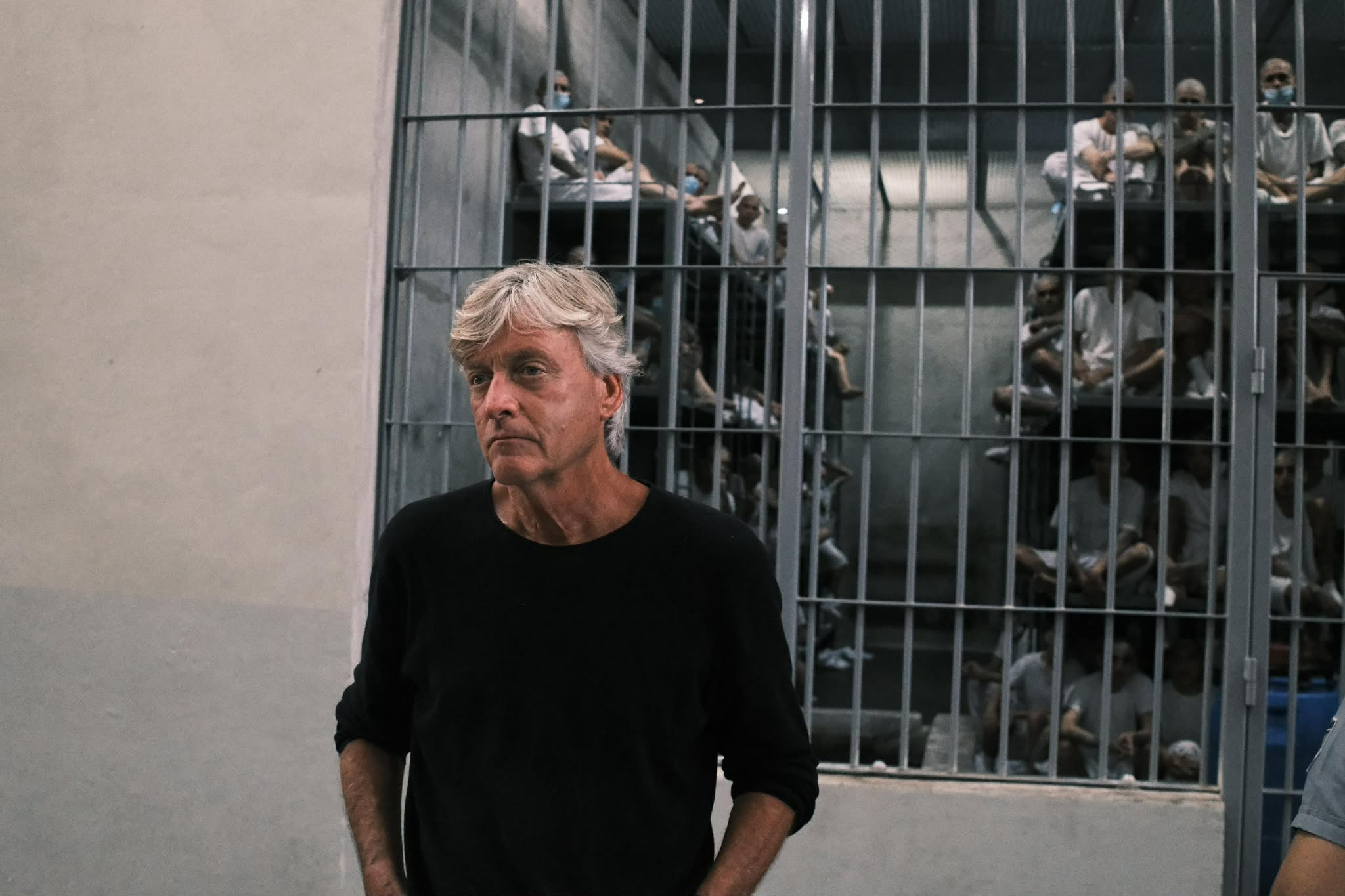
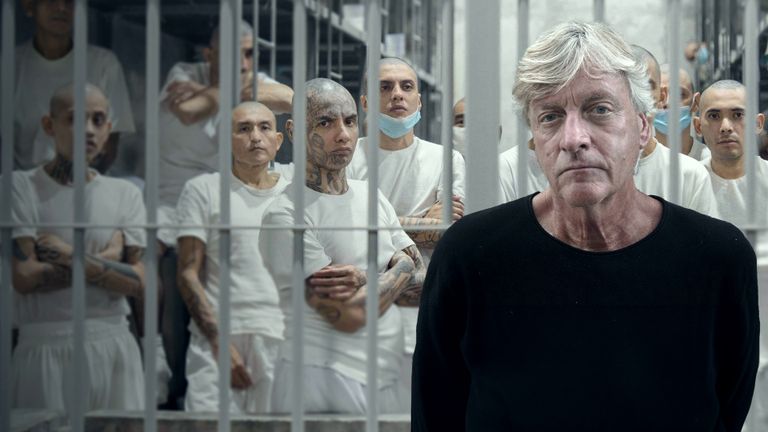
Located in El Salvador, CECOT is one of the largest prisons in the world. It can amass up to 40,000 inmates, and it was built by President Bukele. Getting a video production crew inside doesn’t happen often, as the regulations and shooting rules that apply are highly restrictive. That was exactly what Channel 5 required for a documentary series – access to film a production inside CECOT prison.
The narrative of the docu-series aimed to tell the story of CECOT through the eyes of a British presenter. Leaving permits aside, Channel 5 needed full production support. They needed additional equipment, accommodation and catering for its crew, and local fixer services. In the initial stages of the project, local support was not considered necessary. But as the client realized that local knowledge is the key to unblock some of the challenges, they partnered with our local production team.
Project brief
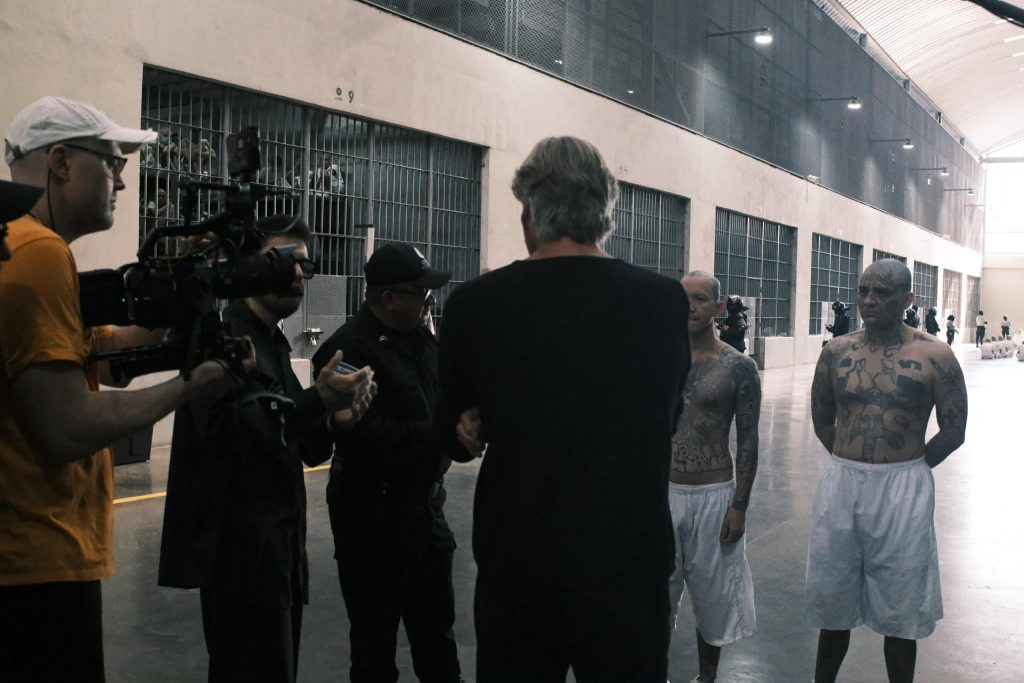
Filming a documentary series inside the walls of a maximum-security prison demands attention to detail and knowledge of the applicable local rules. The scope of work was to offer full production support and ensure local and international crews operate efficiently while adhering to the security protocols of the prison.
Services our team provided:
- Local fixer services
- Filming permits
- Transportation
- Catering
- Accomodation
- Equipment rental
- Local crew acquisition
- Logistics
- Production management
Inside CECOT walls: challenges & solutions
Every video production project comes with its own challenges. It all depends on the broader context. In some countries we deal with difficult weather, and in others, we can struggle to get access to film in sensitive locations. The key is not to dwell on the challenges, but to have a proactive mindset and search for solutions that don’t affect project delivery.
Access inside CECOT prison
The biggest challenge of the project was securing access inside CECOT prison. At the time, communication with penitentiary officials was restricted, and very few filming crews were allowed to enter. The government was careful about protecting the international image of President Bukele. As a result, strict rules had to be set in place.
The branding strategy was to promote a positive image of El Salvador and emphasize the president’s attempt to fight gang violence and crime. Despite the restrictions, our local team secured access inside CECOT. We employed our extended network of trusted contacts and reached out to a respected local filmmaker, producer, and cinematographer, who was considered a trustworthy public figure in El Salvador.
Securing filming permissions
Once inside the walls of CECOT, a second challenge was to secure filming permission. The nature of the project was a documentary series for Channel 5. To make the story impactful, our team needed the help of prison officials. Many were hesitant to cooperate or get involved, and whatever we had to discuss, it had to be done via government representatives. The well-known filmmaker we reached out to initially helped us build confidence with key decision-makers.
From there on, we were able to establish productive relationships with institutions responsible for securing access and filming permits. After presenting the project and explaining the vision to the right parties, we were able to communicate to the client what was allowed and what wasn’t throughout filming. To maximize the chances of approval, having the right context mattered because it helped align project deliverables with institutional demands.
Government approval
A third challenge was the lengthy government approval process. The project required nearly one year to advance, mostly due to prolonged waiting periods for official responses, government reviews, meetings, and ongoing discussions with the authorities. Despite the delays, our team maintained ongoing communication successfully. Following the approval process to film inside the prison, we reached an agreement with both the Salvadoran authorities and CECOT.
That agreement mainly involved abiding by specified rules and regulations for filming. Regardless of video production type, government approval is required to shoot near sensitive, government-controlled sites and locations in El Salvador. CECOT prison was a special case because very few media outlets knew what was happening behind its walls.
Key takeaways
Diplomatic relations are important to get inside CECOT walls for a video production project. Furthermore, trusted connections matter just as much as demonstrated expertise. Last but not least, the focus should always be on good work etiquette. Before doing anything, it’s best to ask if you are allowed or not. Otherwise approval to publish can be revoked. Overall, the documentary series was a successfully delivered project. Leaving sensitive zones aside, El Salvador is beautiful. It offers safe and captivating filming locations for all sorts of productions.